
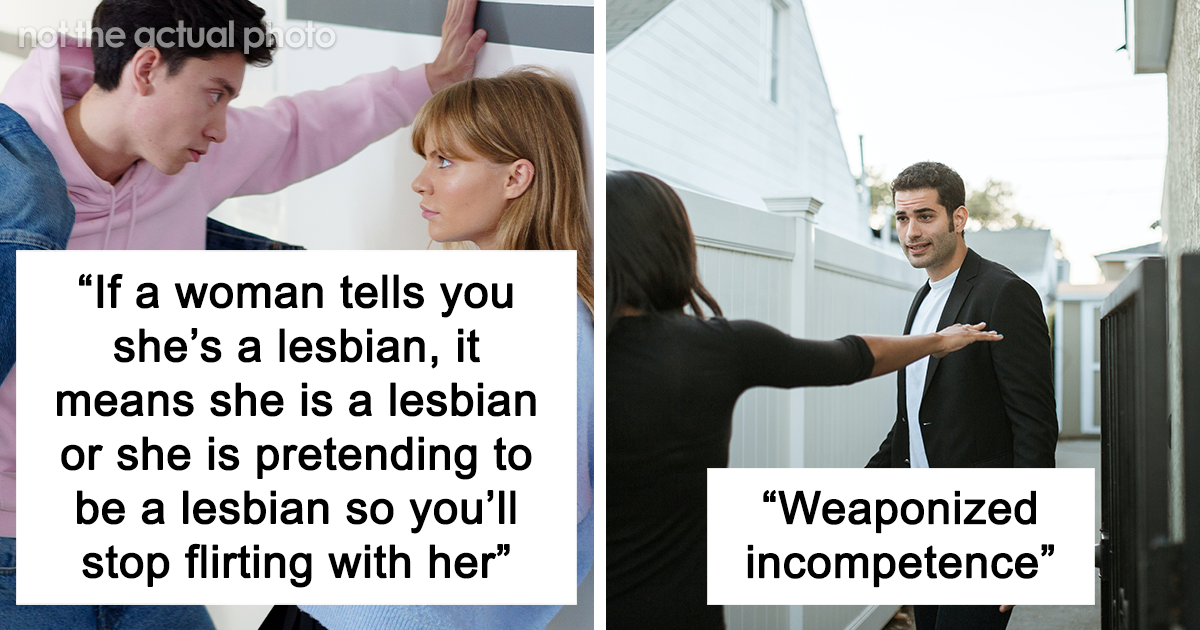
Sometimes it is not one dramatic red flag flapping in the wind like a warning banner. It is the collection of smaller behaviors: the interruption during a meeting, the chore that somehow requires written instructions, the “compliment” that feels like an inspection report, or the argument that becomes a surprise courtroom drama.
Women have been discussing these frustrations in workplaces, relationships, dating conversations, social media threads, and everyday life. Although no group thinks or behaves as a single unit, many complaints repeat often enough to form recognizable patterns.
Research helps explain why these supposedly small moments matter. Women continue to report carrying more household and caregiving responsibilities, including much of the invisible planning required to keep a family functioning. Studies of mental labor likewise find that women often handle a disproportionate share of remembering, anticipating, organizing, and monitoring household needs.
The same pattern appears at work. Research summarized by Harvard Business Review found that many women experience more interruptions and receive more low-visibility “office housework.” Federal data also show that women file a substantial majority of sexual-harassment charges submitted to the Equal Employment Opportunity Commission.
The following 50 answers are original, editorialized summaries of recurring experiences rather than quotations from a single survey. Some are mildly annoying. Others are serious violations of trust, safety, or consent. Together, they offer a practical guide to behaviors many women would happily retire forever.
Communication Habits That Make Women Feel Unheard
Good conversation is not a competitive sport. Nobody receives a trophy for using the most words before another person finishes a sentence.
-
1. Interrupting Women Before They Finish
Being interrupted occasionally happens to everyone. Repeatedly cutting a woman off, however, suggests that her thought is merely the loading screen before the man’s more important opinion appears.
-
2. Explaining Her Own Expertise to Her
Offering useful information is welcome. Explaining basic concepts to a woman who has years of experience in the subject is not helpful; it is condescension wearing a tiny professor hat.
-
3. Repeating Her Idea and Receiving the Credit
A woman proposes something, the room ignores it, and a man repeats it eight minutes later to applause. Apparently, the idea needed a deeper voice before it could connect to the conference-room Wi-Fi.
-
4. Playing Devil’s Advocate in Every Discussion
Thoughtful debate can improve ideas. Automatically opposing every concern turns conversation into an exhausting obstacle course, especially when the “debate” involves another person’s safety or lived experience.
-
5. Correcting Tiny, Irrelevant Details
If someone says an event happened around 7 p.m., the central story probably does not require an emergency correction that it was actually 6:47. Accuracy matters; conversational domination does not.
-
6. Listening Only Long Enough to Prepare a Reply
Real listening involves curiosity, follow-up questions, and an attempt to understand. Waiting silently for a turn to speak is simply interrupting with better manners.
-
7. Dismissing Concerns as Overreactions
Calling a woman “too sensitive,” “dramatic,” or “emotional” avoids discussing what actually happened. Feelings do not automatically prove a claim, but they also do not erase it.
-
8. Telling Women to Smile
A woman standing in an elevator, walking through a store, or concentrating at work is not an employee at a 24-hour facial-expression theme park.
-
9. Turning Every Topic Into a Competition
If she ran five miles, he ran seven. If she had a difficult day, his was worse. Constant one-upmanship makes emotional connection impossible because every conversation ends with a podium ceremony.
-
10. Treating Politeness as Romantic Interest
A friendly conversation, customer-service smile, or kind reply is not necessarily flirting. Sometimes a woman is being nice because she is, in fact, a nice person.
Dating Behaviors Women Want to Leave Behind
Healthy dating requires mutual interest, honest communication, and respect for boundaries. Consent must be freely given, informed, specific, and reversible; persistence does not magically transform discomfort into agreement.
-
11. Treating “No” as the Beginning of Negotiations
When someone declines a date, kiss, drink, ride home, or sexual activity, the correct response is acceptancenot a sales presentation with bonus features.
-
12. Sending Unrequested Sexual Messages or Images
Sexual confidence includes understanding context and consent. Dropping explicit content into an ordinary conversation is not bold; it is the digital equivalent of kicking open someone’s bathroom door.
-
13. Using Persistence as a Substitute for Compatibility
Romantic comedies have convinced some people that repeated pursuit is charming. In real life, continuous messaging after rejection usually feels intrusive rather than cinematic.
-
14. Love-Bombing and Then Withdrawing
Intense praise, nonstop communication, and premature promises can create instant closeness. When that attention disappears once commitment is secured, affection begins to feel like bait.
-
15. Negging Disguised as Flirting
Backhanded compliments such as “You’re attractive for someone your age” are not irresistible psychological wizardry. They are insults wearing discounted cologne.
-
16. Expecting Her to Organize the Entire Date
Asking for preferences is considerate. Requesting a complete restaurant shortlist, reservation, route, schedule, and backup plan while contributing “I’m easy” is unpaid event coordination.
-
17. Refusing Commitment While Demanding Exclusivity
Some men want all the loyalty of a committed relationship while avoiding its label, responsibility, and accountability. That is not keeping things casual; it is ordering the benefits without paying the bill.
-
18. Ghosting and Returning Without Explanation
Disappearing for weeks and then sending “Hey stranger” at midnight does not reset the story. The stranger is the person who vanished.
-
19. Treating Jealousy as Proof of Love
Possessiveness is not passion. Monitoring messages, questioning friendships, or demanding location updates can become controlling behavior rather than evidence of devotion.
-
20. Complaining That Safety Precautions Are “Paranoid”
Meeting publicly, sharing plans with friends, or arranging separate transportation is not a personal insult. A trustworthy man understands that safety routines exist for reasons larger than his feelings.
Household and Relationship Habits Causing Burnout
Housework is more than physically completing tasks. Someone must notice that supplies are low, remember appointments, plan meals, anticipate problems, and delegate responsibilities. Pew Research Center, Gallup, and academic reviews have repeatedly documented gender gaps in domestic and cognitive labor.
-
21. Using Weaponized Incompetence
Doing a task badly so someone else will take over is not helplessness. It is a strategyand remarkably, the dishwasher never seems confused when a video game needs installing.
-
22. Asking What Needs to Be Done Every Time
“Just tell me what to do” sounds cooperative but leaves one partner responsible for noticing, planning, assigning, and supervising. Adults should be able to identify a full trash can independently.
-
23. Completing Only the Most Literal Part of a Chore
Washing clothes but leaving them wet in the machine is not finishing the laundry. Neither is cooking while leaving behind a kitchen that resembles a low-budget disaster movie.
-
24. Calling Parenting His Own Children “Babysitting”
A father caring for his children is parenting. Babysitting implies the regular guardian will return later, which would be an alarming plot twist in this situation.
-
25. Waiting for Praise After Basic Responsibilities
Appreciation is healthy for both partners. Expecting a parade for buying groceries once becomes irritating when the other person has quietly managed the household for years.
-
26. Making Her the Household Memory Department
Birthdays, medications, school events, grocery lists, family gifts, pet appointments, and toilet paper inventory should not live exclusively inside one woman’s exhausted brain.
-
27. Treating Her as His Only Emotional Outlet
Partners should support each other, but one person cannot replace friends, community, self-reflection, and professional help. A girlfriend or wife is not an all-inclusive emotional support subscription.
-
28. Refusing Therapy While Expecting Her to Fix Everything
Saying therapy is pointless while repeatedly unloading unresolved anger, fear, or trauma onto a partner transfers the work without addressing the problem.
-
29. Shutting Down During Every Difficult Conversation
Taking a temporary break to calm down can be healthy. Refusing to revisit the issue leaves the other person trapped in permanent emotional customer service.
-
30. Apologizing With “I’m Sorry You Feel That Way”
That sentence expresses regret that another person has emotions, not regret for the behavior that caused them. A useful apology names the action and explains what will change.
Workplace and Public Behaviors Women Find Exhausting
Bias does not always arrive as an openly hostile statement. It can appear through interruptions, assumptions about competence, unequal access to visible assignments, or expectations that women perform administrative and emotional support work. Women can also experience overlapping biases related to race, age, disability, sexuality, and other identities.
-
31. Assuming the Woman in the Room Is the Assistant
Women executives, doctors, engineers, lawyers, and business owners still encounter people who direct technical questions toward the nearest man. The nearest man may be the intern.
-
32. Asking Women to Take Notes by Default
Administrative tasks should rotate according to role and availability. A woman’s presence in a meeting is not evidence that she arrived carrying an invisible clipboard.
-
33. Commenting on Appearance During Professional Discussions
Telling a colleague she looks “surprisingly good today” or evaluating her clothing during a strategy meeting shifts attention from her work to her body.
-
34. Judging Confidence Differently
A direct man may be described as decisive, while a direct woman is called difficult. Identical behavior should not receive a personality rewrite based on who performs it.
-
35. Giving Women Office Housework Instead of Career-Building Work
Organizing celebrations and calming upset coworkers may help the team, but these tasks rarely earn promotions. Leadership opportunities should not repeatedly travel toward men while support duties travel toward women.
-
36. Making Sexual Jokes and Calling Objections Humorless
A workplace joke is not harmless simply because the speaker laughed. Humor does not cancel discomfort, professional standards, or another employee’s right to speak up.
-
37. Protecting a Harasser Because He Is “A Good Guy”
Someone can be friendly to colleagues and still mistreat another person. Popularity is not an independent investigation, and talent is not immunity.
-
38. Excluding Women From Informal Networking
When relationships, information, and opportunities circulate through male-only outings or social circles, formal equality on paper does not produce equal access in practice.
-
39. Standing Too Close or Blocking an Exit
Physical presence communicates power. Crowding someone, cornering her, or ignoring attempts to create distance can feel threatening even without direct contact.
-
40. Taking Up Shared Space Without Awareness
Spreading across multiple seats, blocking walkways, blasting audio, or forcing others to move suggests that public space belongs primarily to whoever occupies it most aggressively.
Accountability Problems That Keep Bad Behavior Alive
Conflict specialists often identify criticism, contempt, defensiveness, and stonewalling as destructive relationship patterns. Healthy relationships instead require communication, honesty, trust, equality, respect for privacy, and respect for boundaries.
-
41. Responding to Every Complaint With “Not All Men”
Most women discussing a harmful pattern already know that every man is not identical. Redirecting the conversation toward innocent men prevents discussion of the behavior being described.
-
42. Using “It Was a Joke” as a Universal Escape Hatch
Humor can misfire, but accountability begins by recognizing impact. Repeating the joke louder and explaining why everyone should enjoy it is not an apology.
-
43. Describing Every Former Partner as “Crazy”
One difficult breakup is believable. A mysterious parade of unreasonable exes may indicate that the storyteller has edited himself out of every important scene.
-
44. Expecting Women to Provide Free Education
Asking sincere questions is fine. Demanding that women repeatedly explain sexism, consent, household labor, and respectful communicationthen arguing with every answeris exhausting.
-
45. Performing Basic Respect for Applause
A man should not require a medal because he listens to women, changes diapers, cooks dinner, or refrains from harassment. That is adulthood, not an Olympic category.
-
46. Weaponizing Vulnerability
Sharing emotions can build intimacy. Using personal pain to excuse cruelty, prevent a breakup, demand forgiveness, or make another person responsible for one’s stability is manipulation.
-
47. Dismissing Patterns With One Exception
Knowing one woman who enjoys a behavior does not invalidate everyone who dislikes it. Aunt Linda’s opinion is valuable, but she is not the Supreme Court of Women.
-
48. Confusing Dominance With Confidence
Confidence does not require controlling the conversation, intimidating others, refusing compromise, or becoming louder whenever challenged. Secure people can share power.
-
49. Demanding Trust While Acting Untrustworthy
Trust develops through consistency, honesty, and respect. It cannot be ordered on demand after lying, disappearing, violating privacy, or ignoring boundaries.
-
50. Staying Silent When Male Friends Behave Badly
Respect is not only about personal behavior. Men can challenge sexist jokes, harassment, controlling attitudes, and disrespect within their own social circles instead of leaving every confrontation to women.
What These Behaviors Feel Like in Real Life: Five Shared Experiences
The following composite experiences combine common situations women describe. They are not presented as quotations from identifiable individuals, but they show how seemingly minor behaviors can accumulate.
The Meeting Where Her Voice Needed a Male Translator
Imagine preparing for a meeting, researching the problem, and presenting a practical solution. Nobody responds. The discussion moves on. Ten minutes later, a male colleague restates the same proposal with different adjectives, and suddenly everyone is nodding like he has just discovered electricity.
The frustration is not simply about credit. It is about wondering whether colleagues hear the content of an idea or first evaluate the gender of the person saying it. After enough repetitions, a woman may speak less, overprepare, or spend valuable energy planning how to avoid being interrupted. One small meeting habit becomes a continuing tax on participation.
The Household Where “Helping” Still Requires a Manager
Another familiar experience begins with a reasonable request for more equal housework. The man agrees enthusiastically but asks what needs doing, where the supplies are, how the machine works, what the children should eat, and when everything must be finished.
He may physically complete several tasks, but she still carries the responsibility for detecting the need, creating the plan, explaining each step, monitoring progress, and fixing omissions. When he says, “You should have reminded me,” the invisible nature of the mental load becomes obvious. She is not asking for an assistant. She is asking for another responsible adult.
The Date Where a Boundary Became a Debate
A woman declines another drink because she wants to leave. Her date responds with jokes, persuasion, disappointment, and accusations that she is not giving him a chance. Each individual statement may sound mild, but together they create pressure.
Now she must calculate whether refusing more firmly will make him angry, whether he knows where she lives, and whether she should ask someone to walk her outside. What he experiences as harmless persistence may feel to her like a rapidly changing safety problem. Respecting the first answer would have prevented the entire situation.
The Relationship Where Every Concern Became Her Fault
She explains that a hurtful comment embarrassed her. Instead of addressing it, her partner says she misunderstood, chose the wrong moment, used an unfair tone, or ruined the evening by mentioning it. By the end of the conversation, she is apologizing for raising the issue.
This pattern teaches a person that expressing discomfort creates more discomfort. Eventually, she may stop speaking upnot because the relationship improved, but because silence became less exhausting than trying to be heard. A productive response would be simpler: listen, acknowledge the impact, apologize specifically, and change the behavior.
The Group Chat Where Nobody Challenges the Joke
A man shares a degrading joke about women. Several friends privately dislike it, but nobody says anything. One adds a laughing emoji to avoid awkwardness. Another later tells a female friend, “You know how he is.”
That silence matters. It tells the person making the joke that the group accepts the behavior and tells anyone targeted by it that maintaining social comfort is more important than showing respect. Challenging a friend does not require a dramatic speech. A calm “That’s not funny” or “Don’t talk about her that way” can change the expectations of an entire group.
These experiences share a central theme: women are tired of being asked to absorb discomfort so that men can avoid it. They are tired of managing the conversation, the household, the relationship, the atmosphere, and sometimes even the response to their own mistreatment.
Improvement does not require perfection or mind reading. It requires noticing patterns, receiving feedback without immediately becoming defensive, sharing responsibility without waiting for instructions, respecting boundaries without negotiation, and challenging harmful conduct even when no woman is present to witness it.
Conclusion: Respect Is Usually Specific
Broad promises such as “I respect women” sound positive, but daily behavior provides the evidence. Respect means allowing someone to finish a sentence, crediting her ideas, believing her expertise, sharing invisible labor, accepting rejection, honoring privacy, and taking responsibility after causing harm.
It also means recognizing the difference between an occasional mistake and a repeated pattern. Anyone can interrupt accidentally, forget an appointment, or make a joke that lands badly. The meaningful question is what happens next. Does the person listen and adjust, or argue that everyone else should become more comfortable with his behavior?
The 50 behaviors above are not accusations against every man. They are an invitation to self-awareness. Men who want healthier relationships do not need to become silent, nervous, or afraid of every interaction. They need to practice the same skills expected from any considerate adult: curiosity, accountability, empathy, consent, fairness, and the ability to load a dishwasher without forming a committee.













