
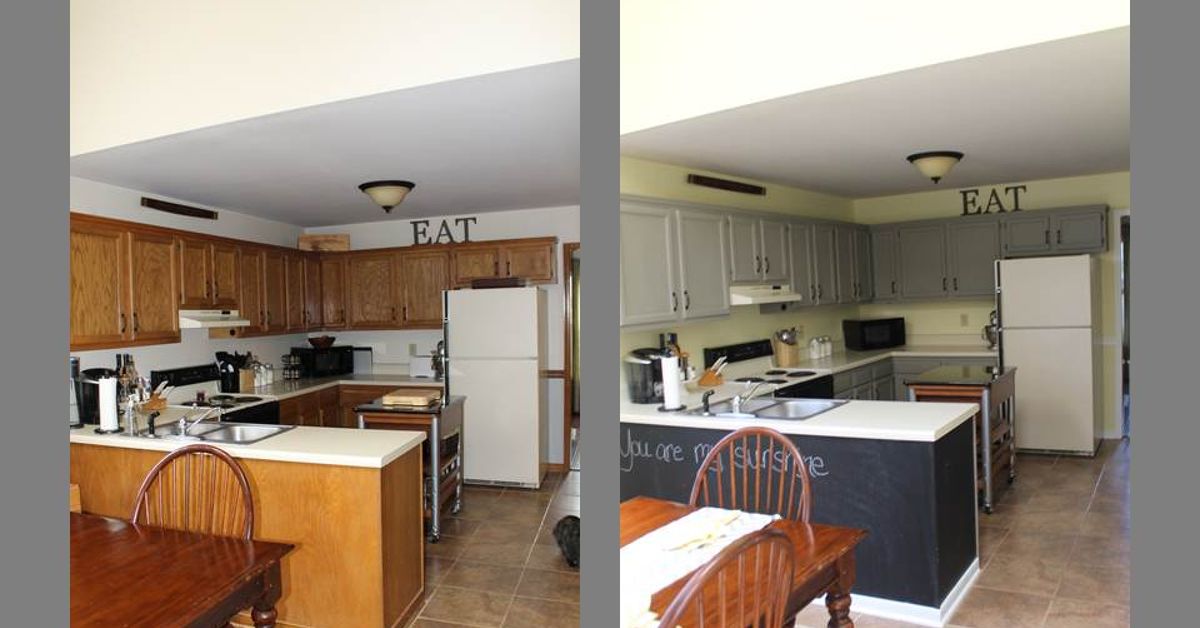
A yellow and gray kitchen remodel before and after is the kind of transformation that makes people stop mid-scroll and whisper, “Wait, that is the same room?” Yellow brings sunshine, personality, and a little cheerful mischief. Gray brings balance, polish, and the calm confidence of someone who owns matching food-storage lids. Together, they can turn a dated kitchen into a warm, modern, functional spacewhen the palette is used with intention.
The challenge is simple: yellow can become loud, and gray can become cold. But when the colors are layered with white, wood, smart lighting, updated hardware, and practical storage, the result feels bright without being blinding and sophisticated without looking like a showroom nobody is allowed to touch. This guide walks through a complete before-and-after approach, from color planning and layout upgrades to backsplash choices, cabinets, countertops, lighting, and real-life remodeling lessons.
Before: The Common Problems in an Outdated Yellow and Gray Kitchen
Many older kitchens already have yellow and gray in them, just not in the charming way homeowners want. Think faded yellow walls, grayish laminate counters, dim fluorescent lighting, heavy cabinets, beige flooring trying very hard to be neutral, and appliances that look like they have seen every Thanksgiving since 1998. The bones may be useful, but the room often feels tired, shadowy, or visually chopped up.
In a typical “before” kitchen, yellow may appear as an aging wall color or outdated tile, while gray shows up unintentionally in worn grout, dull flooring, or old countertops. Instead of looking coordinated, the colors fight each other. The space feels less like a sunny kitchen and more like a weather report: partly cloudy with a chance of leftover spaghetti.
Problem 1: Poor Lighting Makes Gray Look Gloomy
Gray is highly sensitive to light. In a kitchen with one ceiling fixture, small windows, or dark corners, gray cabinets and counters can look flat or even dingy. Before committing to a gray kitchen remodel, it is important to evaluate natural light, under-cabinet lighting, ceiling fixtures, and bulb temperature. A soft warm white light often makes gray feel more welcoming, while overly cool bulbs can make the kitchen feel sterile.
Problem 2: Too Much Yellow Can Overpower the Room
Yellow is energetic, which is exactly why people love it. But painting every wall, cabinet, shelf, and breakfast nook in bright yellow can make the kitchen feel overstimulating. A successful yellow and gray kitchen remodel usually treats yellow as an accent or warmth layer rather than the boss of the room. A butter-yellow island, mustard bar stools, lemon-patterned Roman shade, or golden backsplash detail can create joy without turning breakfast into a highlighter convention.
Problem 3: The Layout Does Not Support Real Life
A kitchen remodel is not only about color. The prettiest gray cabinet in America will not save a layout where the trash can blocks the dishwasher, the pantry is three rooms away, and the coffee maker lives in a corner with one lonely outlet. Before choosing paint, the better question is: how does the kitchen actually work? The strongest before-and-after remodels improve traffic flow, storage, prep space, lighting, and cleaning routines along with the look.
After: What Makes a Yellow and Gray Kitchen Remodel Work
The best “after” version of a yellow and gray kitchen feels lighter, cleaner, and more intentional. Instead of random colors competing for attention, the palette has a plan. Gray becomes the grounding neutral. Yellow becomes the warmth. White or cream adds breathing room. Wood, brass, black, or stainless steel provide contrast and texture.
One reliable formula is soft gray cabinets, white countertops, warm yellow accents, and natural wood details. Another winning option is white upper cabinets, gray lower cabinets, a yellow island, and a simple tile backsplash. For smaller kitchens, yellow can appear in walls, art, lighting, or seating while gray stays on the cabinets or flooring. The goal is to create a kitchen that feels cheerful in the morning, calm at night, and practical every hour in between.
Choosing the Right Gray for Kitchen Cabinets
Gray is not just gray. There are warm grays, cool grays, greige tones, charcoal shades, blue-grays, green-grays, and mysterious paint samples that look perfect in the store and purple on your wall. For a yellow and gray kitchen remodel, warm gray is often the safest choice because it pairs naturally with buttery yellow, brass hardware, oak shelves, and cream tile.
Light gray cabinets are ideal for small kitchens because they reflect more light and make the room feel open. Medium gray cabinets add depth without becoming too heavy. Charcoal gray works beautifully on an island, lower cabinets, or a pantry wall, but it needs good lighting and lighter surfaces nearby. If the kitchen has limited windows, avoid using dark gray on every cabinet unless you plan to balance it with white counters, reflective tile, and layered lighting.
Best Gray Cabinet Pairings
For a soft cottage feel, pair pale gray cabinets with creamy walls, white subway tile, and warm yellow decor. For a modern look, choose slab-front gray cabinets, quartz countertops, matte black hardware, and a single bold yellow statement, such as pendant lights or a painted island. For a transitional kitchen, Shaker-style gray cabinets with brass pulls, white counters, and a patterned yellow-gray backsplash can feel timeless without being boring.
Using Yellow Without Overdoing It
Yellow is most successful when it feels deliberate. In a remodel, that may mean using it in one major feature and two or three smaller supporting details. For example, a sunny yellow island can be echoed by a striped rug, ceramic bowls, or framed art. A mustard-yellow backsplash can be balanced by gray cabinets and white counters. Pale yellow walls can soften a kitchen that uses cool gray flooring or stainless steel appliances.
If you want a quiet, classic kitchen, choose pale butter, straw, or muted ochre. If you prefer a lively kitchen, try lemon, marigold, or golden yellow in smaller doses. Bright yellow is fantastic for personality, but it usually works better on removable or repaintable elements. Nobody wants to replace an entire backsplash because last year’s “fun pop of color” now feels like it is shouting during coffee.
Cabinet Strategy: Paint, Reface, or Replace?
Cabinets often make the biggest visual difference in a kitchen remodel. If the existing cabinet boxes are sturdy and the layout works, painting can be a cost-friendly way to create a dramatic before-and-after transformation. Gray cabinet paint can hide wear better than bright white and instantly modernize older wood finishes. However, prep matters. Cleaning, sanding, priming, and curing time are not optional steps; they are the difference between “custom-looking cabinets” and “paint peeling near the toaster.”
Refacing is a middle option. It keeps the cabinet boxes but replaces doors and drawer fronts, creating a fresher look without a full tear-out. Replacing cabinets is the best choice when the layout is poor, the boxes are damaged, or the homeowner wants features like deep drawers, pull-out pantry shelves, hidden trash storage, appliance garages, or better corner solutions.
Countertops That Balance Yellow and Gray
Countertops are the visual bridge between cabinets, backsplash, and flooring. In a yellow and gray kitchen, white quartz is a popular choice because it brightens the room and works with nearly every shade of gray. Quartz with subtle gray veining adds movement without making the space busy. Butcher block brings warmth and softens cool gray cabinets. Light granite, marble-look surfaces, and solid-surface counters can also work well, especially when paired with simple tile.
If the kitchen already has a lot of yellow, keep the countertop quiet. If the palette is mostly gray and white, a warmer countertop or wood accent can prevent the room from feeling cold. A remodel succeeds when surfaces talk to each other politely instead of competing like relatives at a holiday dinner.
Backsplash Ideas for a Yellow and Gray Kitchen
The backsplash is a great place to connect the palette. White subway tile is classic and safe, especially with gray cabinets and yellow decor. For more character, consider handmade-look tile in cream, pale gray, or soft yellow. A patterned cement-look tile can be beautiful behind a range, but use it carefully; busy patterns can date quickly if they cover every wall.
For a subtle before-and-after upgrade, extend the backsplash to the bottom of the upper cabinets or even to the ceiling around open shelves. This makes the kitchen feel more finished. If you love yellow but fear commitment, try a gray-and-white backsplash and add yellow through lighting, textiles, stools, or art. Your future self may thank you, especially if your future self suddenly enters a sage green era.
Flooring: The Quiet Hero of the Remodel
Kitchen flooring should support the color scheme without stealing the show. Light oak, white oak, luxury vinyl plank, warm-toned tile, or neutral porcelain can all work with yellow and gray. Warm wood floors are especially effective because they make gray cabinets feel inviting and give yellow accents a natural companion.
If the kitchen has gray floors, be cautious with gray cabinets. Too much gray on floors and cabinetry can make the room feel heavy. Break it up with white counters, warm lighting, wood shelves, brass hardware, or a soft yellow wall color. The floor should feel like a foundation, not a fog machine.
Lighting: The Make-or-Break Detail
Lighting can determine whether a yellow and gray kitchen looks expensive or disappointing. A layered plan usually includes ceiling lighting, under-cabinet lighting, task lighting over the sink or island, and decorative pendants. Under-cabinet lights are especially valuable because they brighten counters and make food prep safer. They also make a backsplash look intentional instead of hidden in shadow.
Warm white bulbs often work well with yellow and warm gray. Dimmers are useful because kitchens need bright task lighting during cooking and softer light during dinner, conversation, or late-night cereal investigations. Pendant lights in brass, matte black, glass, or woven materials can add personality while reinforcing the design style.
Hardware and Fixtures: Small Changes, Big Personality
Hardware is the jewelry of the kitchen. In a yellow and gray remodel, brushed brass and champagne bronze are excellent choices because they echo yellow warmth in a polished way. Matte black adds crisp contrast and works especially well with modern or farmhouse-inspired kitchens. Stainless steel or nickel keeps the look clean and understated.
Do not underestimate the faucet. A sleek pull-down faucet, deep sink, and coordinated cabinet pulls can make the “after” feel complete. These details may be small, but they are touched every day. If the hardware feels good in your hand and looks balanced on the cabinet doors, the remodel feels more thoughtful.
Open Shelving, Glass Doors, and Display Moments
Yellow and gray kitchens benefit from a few visual breaks. Open shelves, glass-front cabinets, or a small display area can prevent the room from feeling too cabinet-heavy. Wood shelves against a gray or white backsplash create warmth. White dishes, yellow bowls, gray mugs, cookbooks, and plants can turn storage into decoration.
The secret is restraint. Open shelving should not become a museum of every mug ever received from a workplace gift exchange. Keep the display useful, edited, and easy to clean. A few intentional items look stylish; thirty-seven mismatched cups look like they are planning a rebellion.
Before-and-After Example: A Dated Kitchen Becomes Bright and Balanced
Imagine a 1990s kitchen with honey oak cabinets, yellow-beige walls, gray laminate counters, a fluorescent ceiling box, and a cramped peninsula. The “before” space feels dim even during the day. Storage is awkward, the dishwasher opens into the main walkway, and the wall color makes the cabinets look more orange than warm.
In the “after,” the cabinet boxes are kept, but the doors are replaced with simple Shaker fronts. The lower cabinets are painted a warm medium gray, while the upper cabinets are finished in soft white to keep the room airy. The old peninsula is shortened and redesigned with better seating. A small island, painted muted golden yellow, becomes the cheerful focal point. White quartz counters reflect light, and a handmade-look white tile backsplash adds texture.
Under-cabinet lights brighten the prep zone. Brass pulls warm up the gray cabinetry. The floor is updated with light wood-look planks that are durable and easy to clean. A Roman shade with a subtle yellow-and-gray pattern ties the palette together. The result is not just prettier; it works better. There is more prep space, better traffic flow, brighter lighting, and a color story that feels intentional.
Budget-Friendly Yellow and Gray Kitchen Remodel Ideas
Not every remodel requires demolition, permits, and a temporary diet of microwave meals. A smaller budget can still create a strong before-and-after effect. Paint the cabinets gray, change the hardware, replace an outdated light fixture, add peel-and-stick or affordable tile backsplash, install under-cabinet lighting, and paint the walls a soft warm white or pale yellow.
Another affordable strategy is to keep the expensive neutral elements simple and use yellow in replaceable items. Bar stools, rugs, curtains, art, small appliances, and dishware can change the personality of the kitchen without locking the homeowner into one color forever. This approach is smart for resale, too, because buyers usually appreciate a clean neutral kitchen with personality more than a permanent neon lemon commitment.
Common Mistakes to Avoid
Choosing Paint Without Testing Samples
Always test gray and yellow paint in the actual kitchen. Look at samples in morning light, afternoon light, and evening artificial light. Gray may turn blue, green, or purple depending on the space. Yellow may look soft on a card and surprisingly electric on a full wall.
Ignoring Undertones
Warm yellow usually pairs best with warm gray or greige. Cool gray pairs better with cleaner lemon yellow, white, black, and stainless steel. Mixing a cool blue-gray with a muddy mustard can work, but it requires careful balancing through flooring, counters, and lighting.
Using Too Many Statement Pieces
A yellow island, patterned backsplash, bold floor, dramatic pendant lights, and colorful cabinets may each be beautiful alone. Together, they can create visual chaos. Choose one main statement and let the rest of the kitchen support it.
Experience Section: Real Lessons from a Yellow & Gray Kitchen Remodel Before & After
The most important lesson from a yellow and gray kitchen remodel is that color decisions should come after lifestyle decisions. It is tempting to begin with paint chips because they are fun, cheap, and do not require measuring anything. But the better starting point is daily routine. Where do groceries land? Where does the coffee happen? Who cooks, who cleans, who stands in the doorway offering “helpful” comments, and where does the dog insist on lying down like a furry speed bump?
In many remodel experiences, the biggest improvement is not the color itself but the order it brings. Deep drawers near the range make pots easier to reach. A pull-out trash cabinet keeps the floor clear. A wider landing area beside the fridge makes unloading groceries less chaotic. Under-cabinet lights make chopping vegetables feel less like a camping activity. Once these practical upgrades are in place, the yellow and gray palette becomes the personality layer rather than a distraction from functional problems.
Another valuable experience is learning that small yellow accents can feel more luxurious than large yellow surfaces. A muted yellow island, brass hardware, warm pendant lights, and a cheerful runner may create enough brightness without overwhelming the eye. Homeowners often discover that the best yellow is not the brightest one. Soft ochre, buttercream, honey, or marigold can look rich and mature, especially beside warm gray cabinets and white counters.
Gray also requires patience. A cabinet color that looks perfect online may appear cold in a north-facing kitchen or muddy under warm bulbs. Testing samples on large boards is worth the effort. Move them around the room, place them near the floor, hold them next to the countertop, and view them at night. This may feel excessive, but it is easier than repainting twenty cabinet doors while quietly questioning every decision that led to this moment.
One of the most satisfying before-and-after details is hardware. Replacing dated knobs with brass pulls, matte black handles, or brushed nickel hardware can make cabinets look newer almost instantly. The same goes for lighting. A dated ceiling fixture can drag down an otherwise fresh remodel, while layered lighting makes even modest materials look more polished. In real kitchens, lighting is not a finishing touch; it is part of the design foundation.
Finally, the remodel should leave room for change. A kitchen is not a magazine spread frozen in time. It is where lunches are packed, cookies are burned, bills are sorted, and people gather even when there are perfectly good chairs elsewhere. The best yellow and gray kitchen remodel before and after does not simply chase a trend. It creates a space that feels brighter, easier to use, and more personal. When the kitchen makes mornings feel smoother and evenings feel warmer, the remodel has done its job beautifully.
Conclusion
A yellow and gray kitchen remodel before and after can completely change the mood, function, and value of a home. Gray creates a flexible foundation, while yellow adds energy and warmth. The most successful remodels use both colors with discipline: balanced cabinets, thoughtful lighting, practical storage, durable counters, and accents that feel cheerful rather than overwhelming.
Whether the project is a full renovation or a budget-friendly refresh, the secret is harmony. Let gray ground the space. Let yellow brighten it. Let white, wood, metal, and texture connect everything. When those pieces work together, the “after” kitchen feels fresh, welcoming, and ready for real lifecoffee spills, homework piles, dinner experiments, and all.













